Heaven as Performance vs. Heaven as Home
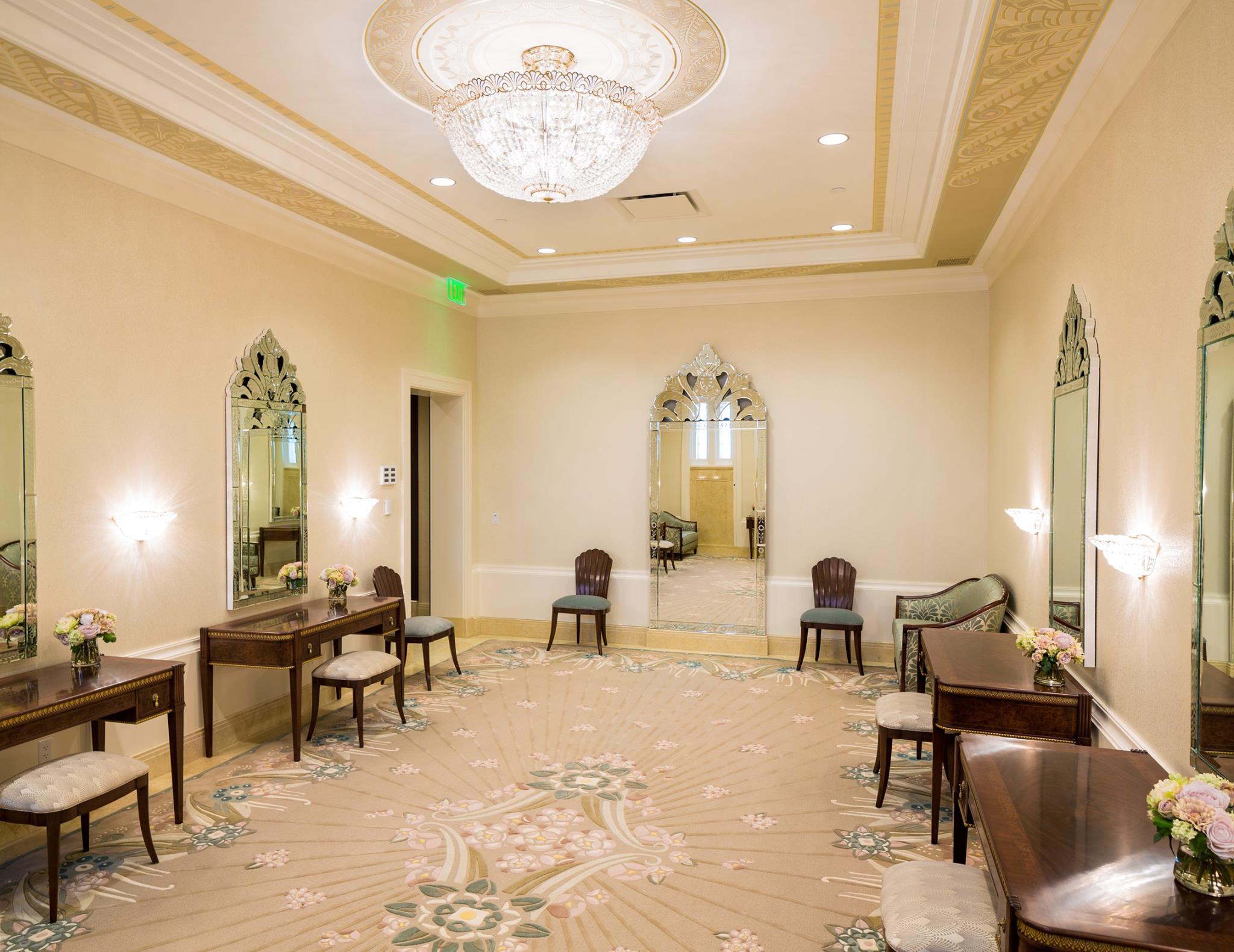
Someone shared a photo of the Ogden Temple bride's room on Facebook.
It's exactly what you'd expect: crystal chandeliers, ornate mirrors, pastel carpet with delicate floral patterns, elegant furniture arranged just so. Everything cream and white and gold. Expensive. Refined. Pristine.
The kind of space that makes you want to whisper.
And I looked at it and thought: who would want to live there?
Not visit. Not admire. Not take photos in.
Live.
Because according to Mormon theology, the temple is supposed to give you a taste of the celestial kingdom. A preview of eternal glory. A glimpse of what awaits the faithful.
And if that's heaven... I don't want it.
Performance on an Eternal Scale
You spend your entire Mormon life performing:
- Worthiness interviews
- Temple recommends
- Callings you can't refuse
- Standards you can't question
- Obedience you can't negotiate
And the reward for a lifetime of performance?
More performance. In a formal space. Forever.
The celestial kingdom isn't rest. It's eternal Sunday meetings in your best clothes.
What the Temple Room Communicates
Everything is expensive, but nothing is warm.
Everything is ornate, but nothing is inviting.
Everything is perfect, but nothing is alive.
It's a showroom, not a home.
The furniture looks like the kind you're not supposed to sit on. The carpet looks like the kind you're not supposed to walk on. The whole room looks like it's waiting for something to happen—a wedding, a photo shoot, an event.
And given that I'm looking at the Bride's Room, that fits. It's just a staging area for a marriage. Not even a wedding. It's not about the people, it's about the covenants.
Mormon heaven is supposed to be eternal life. But the temple shows you eternal display.
That's not life. That's taxidermy.
What Heaven Might Actually Feel Like
After posting my comment about the temple, I kept thinking about what heaven would look like if it existed. Not what the church says it looks like. What it would need to feel like to actually be desirable.
So I generated an image: an ancient forest with golden light filtering through massive trees. A gentle stream with moss-covered stones. Hammocks strung between branches. Wildflowers scattered in chaotic beauty. A well-worn path showing this place has been loved.
That's what heaven should feel like. Not formal. Not sterile. Not expensive. Alive.
The Contrast

Temple room: Everything in its place. Expensive materials signaling worth. Formal chairs you wouldn't actually sit in. Mirrors reflecting perfection back at you. Silence that feels enforced.
Forest clearing: Growth happening naturally. Beauty that doesn't require maintenance. Hammocks inviting you to rest. Water flowing, alive with movement. Sounds of life—birds, water, wind.
One is a stage. The other is a home.
The Performance Never Ends
Here's what struck me most about that temple room:
You can't stop performing there.
You can't take off your shoes and curl up on that furniture. You can't spill something and laugh about it. You can't rearrange things to suit yourself. You can't make it yours.
Because it's not designed for you. It's designed to display you.
You're part of the aesthetic. Another element in the careful arrangement. Proof that the church produces refined, worthy, celestial-kingdom-ready people.
Even in the highest heaven, you're still performing. Still trying to be worthy of the space you're in. Still conscious of whether you're doing it right.
That's not freedom. That's eternal anxiety.
What Heaven Reveals About the Church
The church's vision of heaven reveals what the church actually values.
Not rest. Not freedom. Not joy.
Control. Order. Performance.
The celestial kingdom looks like a formal event that never ends because that's what the church is—a formal institution, a corporation, that demands constant performance. You're never done proving yourself.
Interior design reveals theology. The temple room tells you that purity requires removing everything natural, that beauty requires expensive materials, that you must perform reverence to belong.
The forest tells you that beauty emerges from life being allowed to grow, that worth doesn't require expense, that you belong without having to prove anything.
One theology requires you to earn belonging through endless performance. The other says you already belong—you just have to show up.
The Question Worth Sitting With
I know that as a practicing Mormon, I never thought about what the celestial kingdom would feel like. I thought about the concepts—being with family forever, becoming a god, eternal progression.
But I don't recall thinking about the day-to-day experience.
What does eternal progression look like on a Tuesday? Where do you go to just... be?
If you're still Mormon, sit with this: Do you actually want to spend eternity in the celestial kingdom as the church describes it?
Not the abstract concept. The actual experience. The aesthetic. The feeling.
Do you want to spend forever in a formal space where everything is controlled, refined, and proper? Or do you want something warmer, messier, more alive?
Because if what the church shows you isn't what you actually want, maybe the reward isn't as valuable as they claim.
What I Choose
I don't believe in an afterlife. When I die, I think I return to the same state I existed in before I was born—complete unawareness. My molecules will be recycled. I'll be part of the universe in the way trees and stars and water are part of the universe.
But if heaven existed, it wouldn't look like a Mormon temple. It would look like the forest. Wild. Messy. Alive.
I choose life over performance. Even if it's temporary. Even if it ends. Even if there's no eternal reward waiting.
Because I'd rather have eighty years of actually living than an eternity of performing.
I've seen what heaven looks like according to the church. And I don't want it.
I'll take the forest. Even if it's only temporary. At least it's real.